 A headache can be frustrating enough on its own, but when it’s connected to your temporomandibular joints, or TMJs, it may come with several other uncomfortable symptoms.
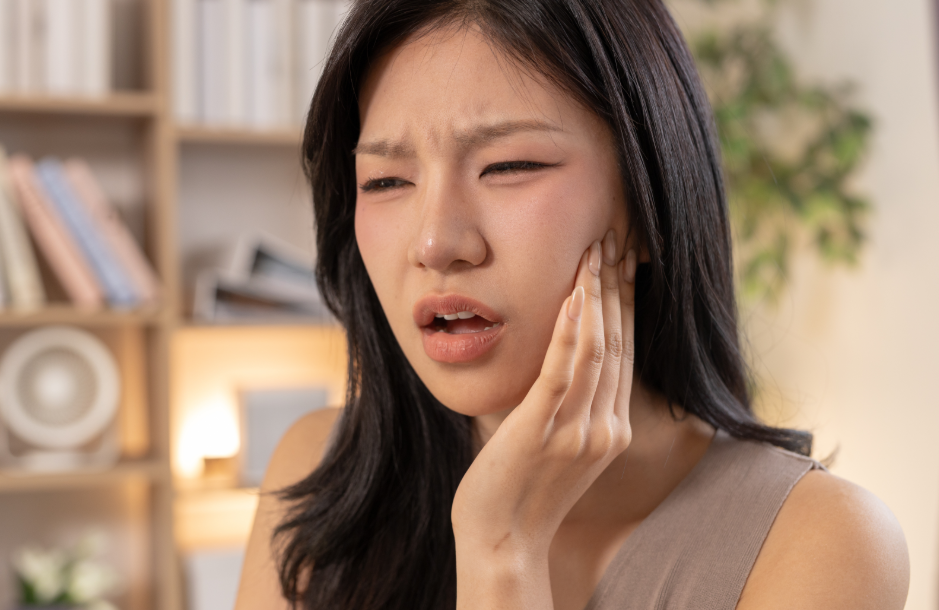
TMJ headaches often feel like a dull, aching pressure around the temples, forehead, or sides of the head. Some people may also experience pain around their ears, cheeks, or jaw. The discomfort can sometimes feel similar to a tension headache, making it difficult to recognize that your jaw may actually be contributing to the problem.
TMJ headaches don’t always happen by themselves, either. You may notice jaw tenderness, facial pain, clicking or popping when you open your mouth, difficulty chewing, or stiffness in the jaw. Some people even experience limited jaw movement.
Why Can TMD Cause Headaches?
Your jaw muscles and the muscles around your head and neck work together whenever you chew, speak, yawn, or move your jaw. When the temporomandibular joints or surrounding muscles aren’t functioning properly, that tension can contribute to pain that radiates beyond the jaw.
Teeth grinding and clenching can also put additional stress on the jaw. If you grind your teeth while sleeping or frequently clench your jaw during the day, the resulting muscle tension may contribute to headaches.
Because several different factors can contribute to temporomandibular disorder (TMD), identifying the underlying cause is an important part of finding lasting relief.
How Can You Find Short-Term TMJ Headache Relief?
If you’re experiencing a TMJ-related headache, there are several things you can try for temporary comfort. Applying a warm compress to the jaw can help relax tense muscles, while a cold compress may help reduce discomfort for some people.
Gentle jaw massage may also help release muscle tension. Using your fingertips to gently massage the muscles along your jaw and temples can be relaxing, but avoid putting excessive pressure on an already painful area.
Over-the-counter pain medication may provide temporary relief when used as directed. If you take other medications or have health conditions that affect which pain relievers you can safely use, talk with your healthcare provider first.
Can Your Diet Help?
When your jaw is already sore, giving it a break from foods that require extensive chewing can make eating more comfortable. For a short period, consider softer foods such as yogurt, eggs, oatmeal, cooked vegetables, smoothies, or other foods that don’t require vigorous chewing.
You may also want to avoid habits that put unnecessary strain on your jaw, such as chewing gum, biting your nails, or frequently eating very hard or chewy foods.
These changes may help manage symptoms, but they don’t necessarily address what’s causing your TMD.
When Should You Seek Professional Treatment?
If TMJ headaches keep coming back, it’s worth looking beyond temporary solutions. A dental professional can evaluate your jaw, teeth, bite, and other symptoms to help determine what may be contributing to your discomfort.
Treatment depends on the individual and may include approaches designed to reduce strain on the jaw, protect the teeth from grinding, or address problems with the TMJs and surrounding muscles. Treating the underlying cause can provide a better long-term strategy than simply taking pain medication whenever a headache occurs.
You don’t have to accept recurring jaw pain and headaches as a normal part of everyday life. Finding the cause is the first step toward finding lasting relief.
About the Practice
Pinnacle Peak Family Dentistry provides comprehensive dental care with a focus on helping patients maintain healthy, comfortable smiles. Our team is here to provide treatment options and support for TMJ and TMD concerns, helping patients address jaw pain, headaches, and other symptoms associated with temporomandibular joint disorders.
Call us at (623) 473-3789 or schedule your appointment online.